Decision Quality Is Not the Same as Decision Outcomes
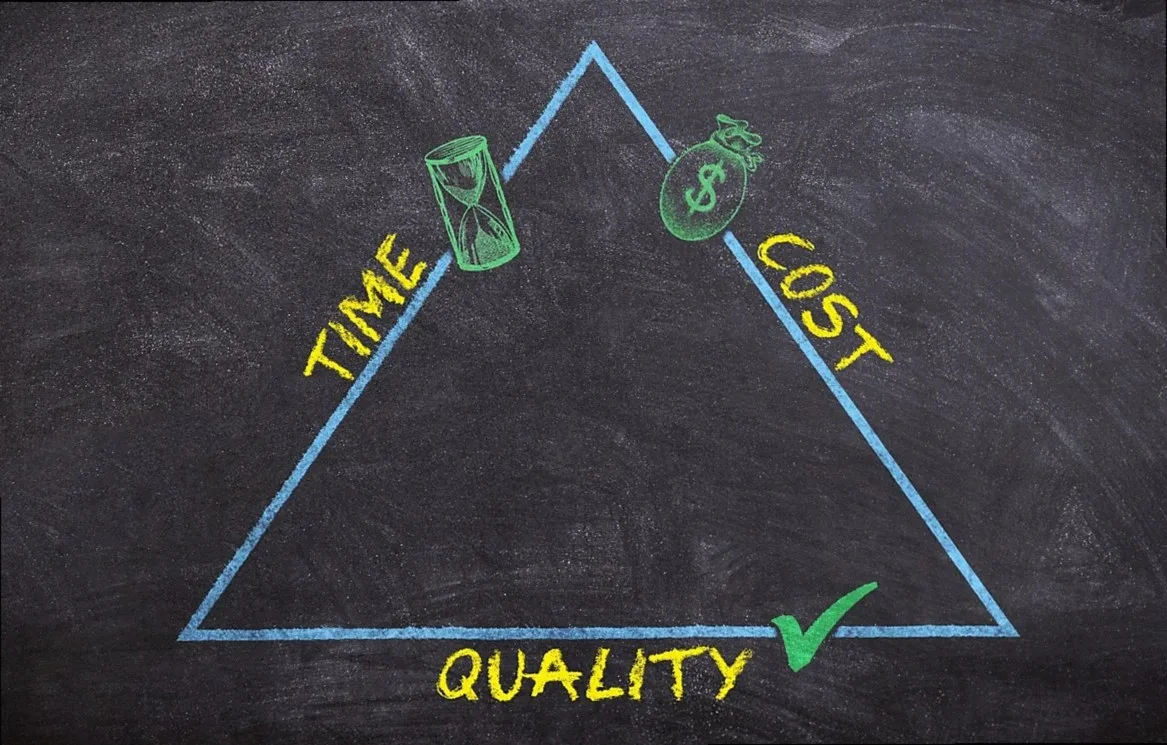
A decision that produced a good outcome is not necessarily a good decision. A decision that produced a bad outcome is not necessarily a bad one. This distinction matters enormously for how organisations learn from their own history, and most organisations get it wrong in the same direction: they evaluate decisions by their results.
The outcome bias problem
When a decision produces a good outcome, the tendency is to conclude that the decision-making process was sound. When it produces a bad outcome, the tendency is to conclude that someone made a mistake. Both conclusions may be wrong.
A decision made with incomplete information, under time pressure, with a flawed process, can produce a good outcome by chance. A decision made carefully, with the best available information and a sound process, can produce a bad outcome because the world is uncertain. Evaluating the process by the outcome means that the organisation learns the wrong lessons from both.
What decision quality actually means
A high-quality decision is one that was made with the information that was reasonably available, using a process that was appropriate to the stakes and the time available, with clear ownership and explicit reasoning. Whether it produced the intended outcome is a separate question.
Assessing decision quality requires asking different questions than assessing outcomes. What information did we have? What did we assume we knew that we did not? Who owned the decision? Was the reasoning made explicit before the decision was made, or reconstructed afterwards?
How to build decision quality into a planning cycle
The most practical way to improve decision quality over time is to build a structured decision review into the annual planning cycle. Before the planning session, the leadership team reviews the ten to fifteen most significant decisions from the previous year. For each one, they assess the process, not the outcome.
This is uncomfortable work. It requires distinguishing between decisions that were well-made and got lucky, and decisions that were poorly made and happened to work out. But organisations that do this consistently make better decisions over time, because they are learning from the process rather than from the noise of outcomes.
A note on the Q4 planning cycle
Autumn is when most organisations begin their annual planning process. It is also when the temptation to skip the diagnostic step is strongest, because there is pressure to produce a plan quickly. The diagnostic step, a structured review of decision quality from the past year, is the part of the planning process that most reliably improves the quality of the plan that follows.
If your organisation is beginning its Q4 planning cycle, the articles section has more on how a structured diagnostic fits into the planning process. The distinction between decision quality and decision outcomes is worth keeping in mind before the first planning session.